Recycling and Sustainability for Landscaping Anerley
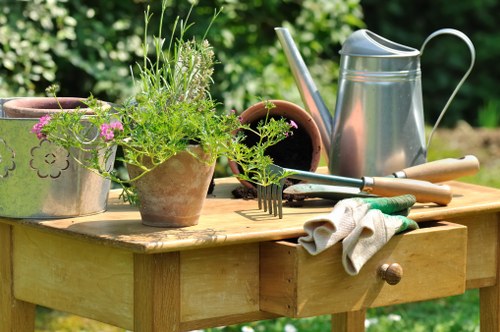 Landscaping Anerley is increasingly shaped by practical sustainability: how green waste is handled, how materials are sorted, and how crews reduce emissions on every job. In a busy South London setting, the goal is not only to create attractive outdoor spaces, but also to make sure the process behind them is as responsible as the finished garden. That means building a system that prioritises reuse, recycling, and cleaner transport while still delivering reliable landscaping work.
Our approach to landscaping in Anerley starts with a clear recycling target. We aim to recycle or repurpose at least 85% of waste generated across routine maintenance, soft landscaping, and clearance work. This includes green cuttings, soil, branches, timber, inert rubble, and suitable packaging materials. By separating waste at the point of collection, we reduce contamination and make it more likely that items can be processed through the correct local channels rather than ending up in general disposal.
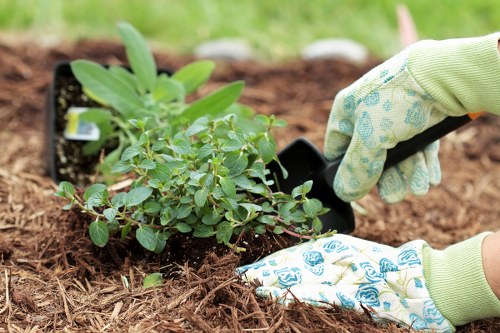 One of the biggest strengths of Landscaping Anerley is the use of local transfer stations and waste-processing facilities that support the wider borough network. Where suitable, recyclable materials are taken through authorised transfer stations for sorting and onward recovery, helping keep travel distances shorter and reducing the carbon cost of disposal. In line with borough approaches to waste separation, crews are encouraged to divide green waste, soil, hardcore, wood, and mixed recyclables into distinct streams wherever possible.
That separation matters because the landscaping Anerley area sits within a broader urban waste system where efficient sorting can make a real difference. For example, organic material such as grass cuttings, hedge trimmings, and leaves can often be diverted into composting or biomass recovery, while clean timber may be recycled or reused. Aggregates and stones from path work can also be recovered when they are kept free from contamination. These small choices add up to lower landfill use and better resource efficiency.
We also place emphasis on the reuse of materials already on site. Topsoil can sometimes be screened and retained for regrading, mature branches may be chipped for mulch, and sound paving units can be lifted and reused in new layouts. In many landscaping Anerley projects, this type of circular thinking reduces the need to buy and transport new materials. It also helps preserve the character of established gardens, where existing features can be refreshed instead of removed.
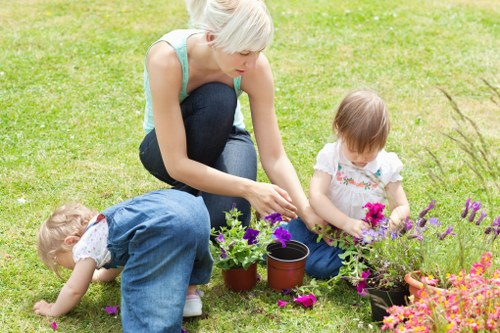 Beyond waste sorting, sustainability includes the way teams move between sites. Our low-carbon vans are selected to reduce emissions compared with older diesel fleets, and routes are planned to minimise unnecessary mileage. These vehicles are supported by efficient loading practices so fewer trips are needed, which cuts fuel use and limits congestion. For Landscaping Anerley, this is a practical way to reduce the footprint of everyday operations without compromising service quality.
Partnerships with charities are another important part of the sustainability model. Usable materials such as surplus planters, serviceable timber, garden furniture, decorative stone, and healthy plants may be directed to charitable reuse partners where appropriate. This supports community benefit while preventing useful items from being discarded prematurely. In a neighbourhood context, these collaborations help extend the life of materials and create a more socially responsible landscaping cycle.
Some projects also generate equipment or materials that are no longer needed on one site but may still be valuable elsewhere. Rather than sending these items straight to waste, Landscaping Anerley looks for opportunities to pass them to organisations that can redistribute them. That can include local community groups, gardening charities, or reuse networks that specialise in collecting salvaged items. The result is a more joined-up approach to sustainability, where landscaping work contributes positively beyond the site boundary.
We also recognise the importance of greener sourcing. Whenever possible, materials are selected with durability and recyclability in mind, such as responsibly sourced timber, recycled-content aggregates, and low-impact mulches. Combined with borough-level waste separation practices and regular recycling checks on site, this helps ensure that Landscaping Anerley remains aligned with modern environmental expectations. The emphasis is always on doing the job well while reducing avoidable waste and emissions.
 As a result, sustainability is not treated as an optional extra; it is built into the planning, collection, and transport stages of work. Whether the task involves pruning, turf removal, hard landscaping, or a full garden clear-up, the same principles apply: sort carefully, reuse where possible, and send materials to the right recovery route. This makes the process more efficient and supports a lower-impact model for landscaping in Anerley.
In practice, this means residents and property managers can expect a service that values both presentation and responsibility. From organic recycling streams to the use of low-carbon vans, every part of the workflow is reviewed with environmental performance in mind. The aim is a cleaner, more circular approach to outdoor work that suits the needs of an urban area while respecting local waste infrastructure.
 For Landscaping Anerley, recycling and sustainability are central to how outdoor spaces are maintained and improved. By targeting 85% recycling, using local transfer stations, working with charities, and operating lower-emission vans, the service supports a practical and credible environmental standard. It is a modern landscaping approach that balances beauty, function, and responsibility in equal measure.