Health and Safety Policy for Landscaping Anerley
 Health and safety is central to every landscaping activity, from routine garden maintenance to larger outdoor works. This policy sets out how landscaping work is planned and carried out safely, with a clear focus on preventing injury, protecting property, and maintaining a secure working environment. The aim is to reduce risks wherever possible and to ensure that all tasks are completed in a controlled and responsible way.
Landscaping operations can involve uneven ground, powered tools, heavy materials, manual lifting, noise, dust, slippery surfaces, and changing weather conditions. Because of this, a consistent approach is required across every project. Safe working practices must be followed at all times, and every person involved in the work is expected to contribute to a culture of caution, awareness, and accountability.
All work areas must be assessed before any task begins. This includes checking for hazards such as hidden trip risks, unstable surfaces, overhead obstructions, sharp objects, buried services, and nearby pedestrians. Risk control measures should be put in place before work starts, and responsibilities should be clearly understood by everyone on site. A good landscaping health and safety policy depends on preparation, communication, and ongoing supervision.
 Risk assessments should be completed for each job, taking into account the type of work, the equipment used, and the environment in which the work is being performed. This is especially important when handling cutting equipment, moving soil or paving materials, using ladders, or working near roads, fences, or public access points. If conditions change, the assessment should be reviewed and updated accordingly.
Personal protective equipment must be selected to suit the task. Depending on the work involved, this may include gloves, safety footwear, eye protection, hearing protection, high-visibility clothing, and dust masks. Protective equipment is only effective when it is in good condition and used properly. Workers should also wear practical clothing that does not create a snagging or entanglement hazard.
 Equipment and tools must be inspected before use and maintained in safe working order. Defective items should be removed from service immediately until repaired or replaced. Powered tools, mowers, trimmers, cutters, and other machinery should be operated only by competent people who understand their safe use. Clear instructions, regular checks, and careful storage all help support a safer landscaping operation.
Manual handling is a significant concern in landscaping work, particularly when lifting bags, stones, plants, turf, or other bulky materials. Loads should be assessed before being moved, and mechanical aids should be used whenever practical. Team lifting may be necessary for heavier items, and workers should avoid sudden twisting movements or awkward postures that could lead to strain or injury. Planning the lift is as important as performing it.
Working at height must be kept to the minimum necessary. Where access equipment is required, it must be suitable for the task and used correctly. Surfaces should be stable before climbing or reaching, and no one should work from insecure platforms or makeshift arrangements. Ladders and step equipment should be checked, positioned correctly, and used only for short-duration tasks where this is appropriate.
Health and safety management also includes control of environmental risks. Landscaping work may expose workers to sun, cold, rain, wind, uneven drainage, or poor visibility. Breaks, hydration, weather-appropriate clothing, and sensible scheduling can help reduce these risks. It is equally important to protect the public, neighbours, and any other site users by keeping work areas tidy, avoiding unnecessary obstruction, and clearly separating active work zones from safe access routes.
Where chemicals, fuels, or other hazardous substances are used, they must be stored, labelled, and handled carefully. Containers should remain closed when not in use, and spills must be dealt with promptly using appropriate controls. Workers should understand the risks associated with products such as fertilisers, weed control substances, and cleaners, and they should follow the relevant safety instructions. Good housekeeping helps prevent avoidable exposure and contamination.
Training and supervision are essential elements of this policy. Everyone involved in landscaping work should receive suitable instruction for their duties, including safe equipment use, emergency response, manual handling, and hazard awareness. New or less experienced workers should be supervised until they can demonstrate safe and reliable working methods. Ongoing refreshers help keep safety standards consistent and effective.
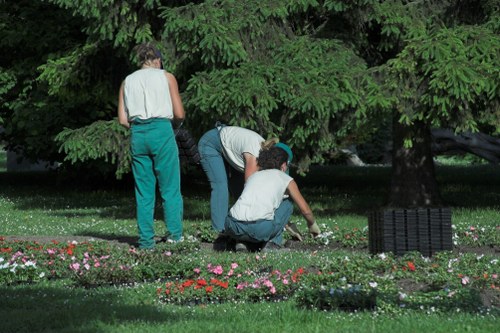 Emergency arrangements must be understood before work begins. This includes knowing how to respond to an accident, injury, fire, or hazardous spill. First aid provision should be available as appropriate to the size and nature of the job, and incidents should always be reported and reviewed so that lessons can be learned. Any serious concern should lead to immediate action to reduce further risk.
Managers and supervisors are responsible for ensuring that this policy is applied consistently. They must provide suitable resources, confirm that safe systems of work are followed, and stop activity if conditions become unsafe. Workers also have a duty to take reasonable care for themselves and others, use equipment correctly, and report hazards without delay. A strong safety culture depends on shared responsibility and steady attention to detail.
 This health and safety policy for landscaping in Anerley is reviewed regularly to ensure it remains relevant, practical, and effective. As the nature of work changes, so too must the controls that support safe delivery. By following this policy, landscaping work can be carried out with care, professionalism, and a clear commitment to preventing harm. Safe practices protect people, property, and the quality of the finished result.